

Despite a range of government policies aimed at improving nutrition—including the Uganda Nutrition Action Plan, the Health Sector Development Plan, and the Uganda Food and Nutrition Policy—several regions across the country continue to fall short of key nutrition targets.
In Eastern Uganda’s Teso sub-region, the situation remains particularly concerning, with malnutrition steadily undermining livelihoods and long-term development.
Malnutrition continues to weaken human capital and economic productivity nationwide. According to the World Food Programme, Uganda loses an estimated shs 33.6 trillion annually due to malnutrition—equivalent to about 5% of its Gross Domestic Product. Beyond the financial burden, poor nutrition has far-reaching consequences, affecting brain development, school performance, and overall productivity among both children and adults.
Once regarded as one of Uganda’s key food baskets, the Teso sub-region is now grappling with food insecurity, rising levels of child malnutrition, and the gradual disappearance of traditional food systems.
Many families who previously relied on granaries—locally known as edula—for year-round food and seed storage are now facing shortages. This shift has been exacerbated by changing diets that rely heavily on carbohydrates, with limited intake of diverse and nutrient-rich foods. As a result, communities are becoming increasingly vulnerable to disease, low productivity, and persistent poverty.
In response to the growing crisis, ESAFF Uganda has introduced a community-driven model that combines Farmer Field Schools (FFS) and Community Seed Banks (CSBs) in Serere District and Amuria District.
The initiative aims to restore indigenous food systems while promoting sustainable nutrition and seed security among smallholder farmers.
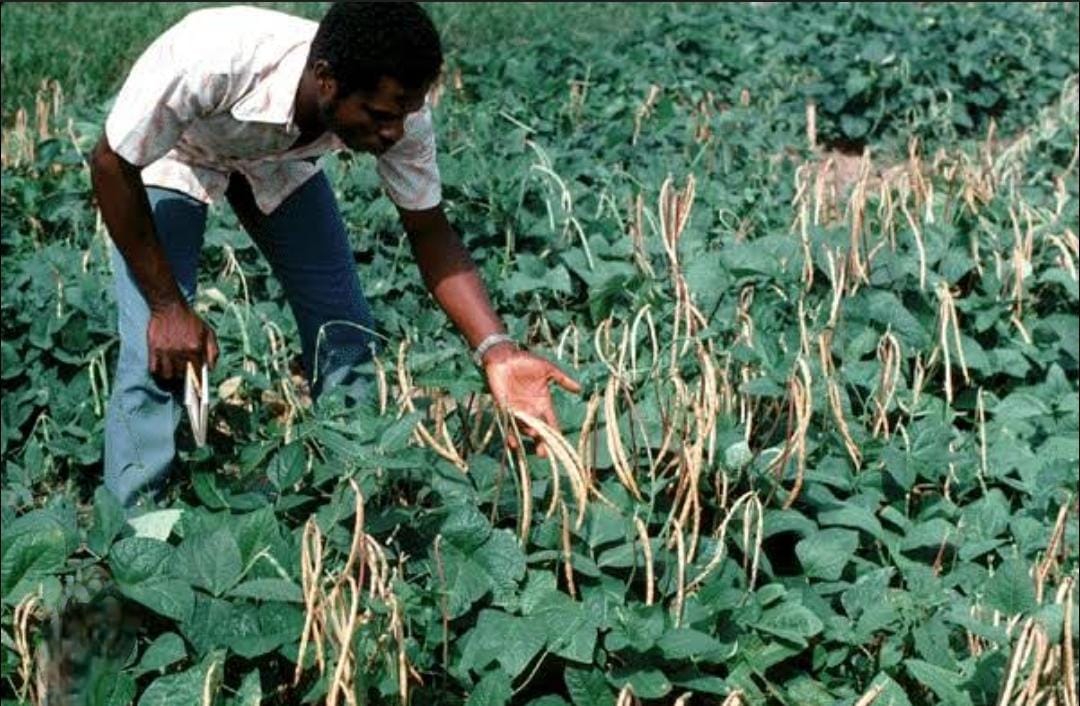
Through the Orungo and Kyere Community Seed Banks, more than 900 farmers are being supported to conserve and cultivate traditional crops such as spider plant, hibiscus, turmeric, cowpea leaves, and local cucumbers. These crops—often categorized as Neglected and Underutilized Species (NUS)—are rich in nutrients and well adapted to local climatic conditions. They are now being reintroduced into household diets to improve nutrition and resilience.
“For a long time, I was getting weaker each day and suffering from constant stomach problems,” said Enyou Ezekiel, a member of the Olupe Moru Farmer Field School. “But after joining the programme and learning how to prepare local vegetables like hibiscus and spider plant properly, I started seeing real improvement within three months. We now cook food in ways that preserve nutrients and avoid unhealthy oils.”
ESAFF Uganda has established 10 Farmer Field Schools in Serere, where farmers are trained in sustainable agriculture, nutrition-sensitive food preparation, and proper storage techniques. Although many participants were initially hesitant to adopt these practices, they are now increasingly embracing them—not only to improve household nutrition but also to generate income through small-scale sales.
Some farmers have gone further to replicate these gardens at home, with plans to expand production and explore collective marketing opportunities.
By restoring community-managed seed systems, the initiative ensures that farmers maintain access to affordable, climate-resilient seeds while reducing dependence on external inputs. In addition, value addition—such as processing millet, sweet potatoes, and groundnuts into longer-lasting, nutritious products—is helping to bridge food gaps, increase incomes, and reduce reliance on imported food commodities.
The programme is also playing a critical role in reviving cultural practices that had been eroded over time. By promoting indigenous crops and traditional culinary knowledge, communities are regaining a sense of identity and pride while strengthening food sovereignty and biodiversity conservation.
Farmers involved in the initiative report notable improvements in their health, incomes, and social cohesion. The approach has also encouraged knowledge-sharing and collaboration, enabling communities to build stronger, more resilient food systems.
“Previously, I never paid attention to the nutritional value of my meals,” he added. “Now, with the guidance we receive, I include local greens in my diet and prepare food in a healthier way. I feel stronger and healthier than ever before.”
Experts note that such integrated, community-led approaches are essential in addressing the root causes of malnutrition. By linking agriculture, nutrition, and livelihoods, ESAFF’s model provides both immediate relief and long-term sustainability, equipping communities to better withstand climate shocks and economic challenges.
However, stakeholders emphasize that scaling up these interventions will require increased support from development partners, government agencies, and civil society organizations. Investing in community-driven food systems, they argue, is key to strengthening local food security, preserving indigenous knowledge, and reducing the country’s economic losses linked to malnutrition.
With sustained investment and collaboration, there is renewed optimism that communities in Teso—particularly in Serere and Amuria—can rebuild their traditional food systems and reclaim their position as a vital food basket for Uganda.
